
meeting 8/1
Last edited: August 8, 2025Updates
- dropping dropout: https://proceedings.mlr.press/v202/geiping23a/geiping23a.pdf
- CAW-coref: revised! do we need more space for things such as a figure?
- stanza 1.9.0 staged! https://huggingface.co/stanfordnlp/stanza-en
Yay mend works!
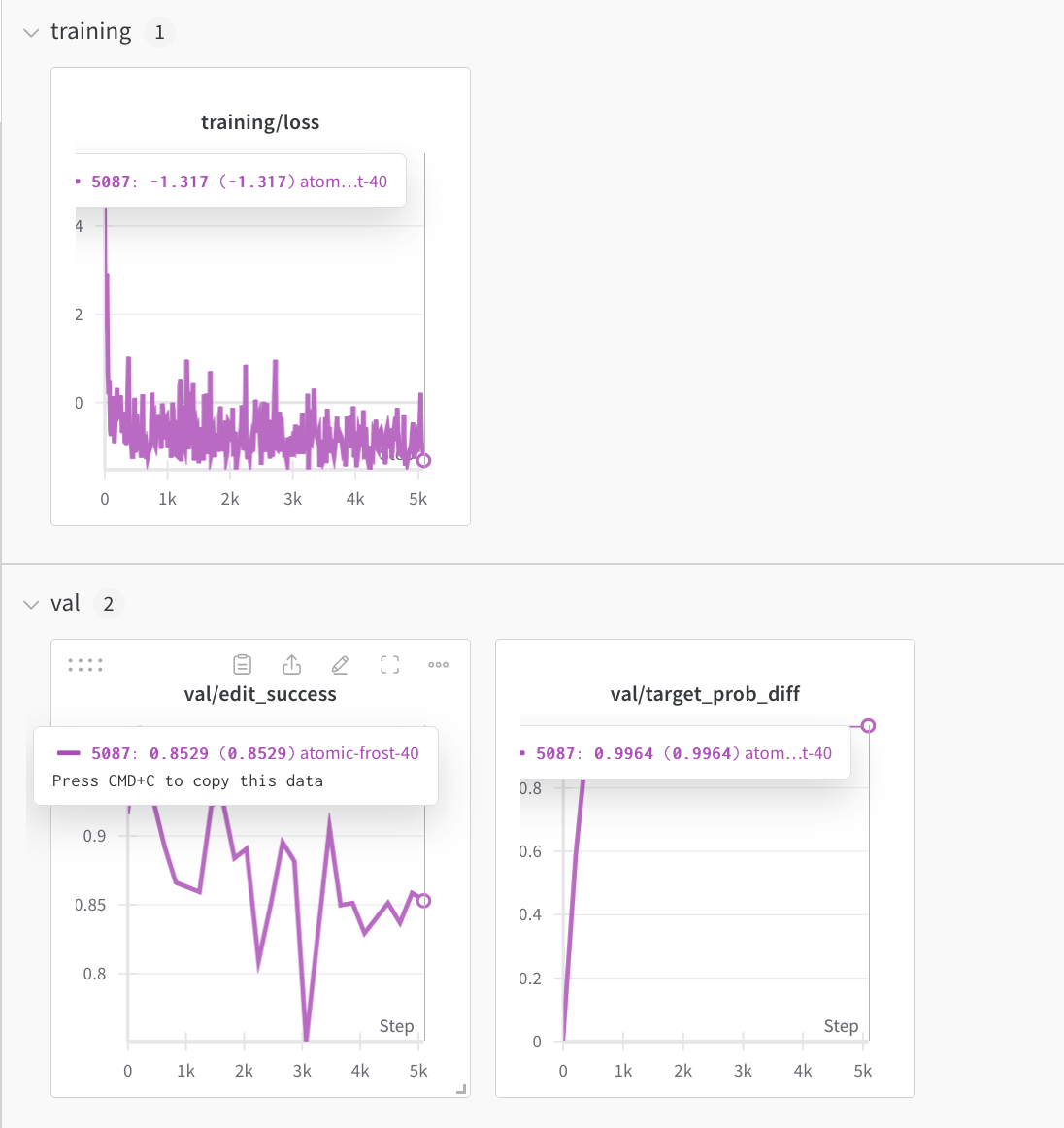
.mean() vs. .sum() for the dW maps?
PPL Isn’t the Only Possible Metric
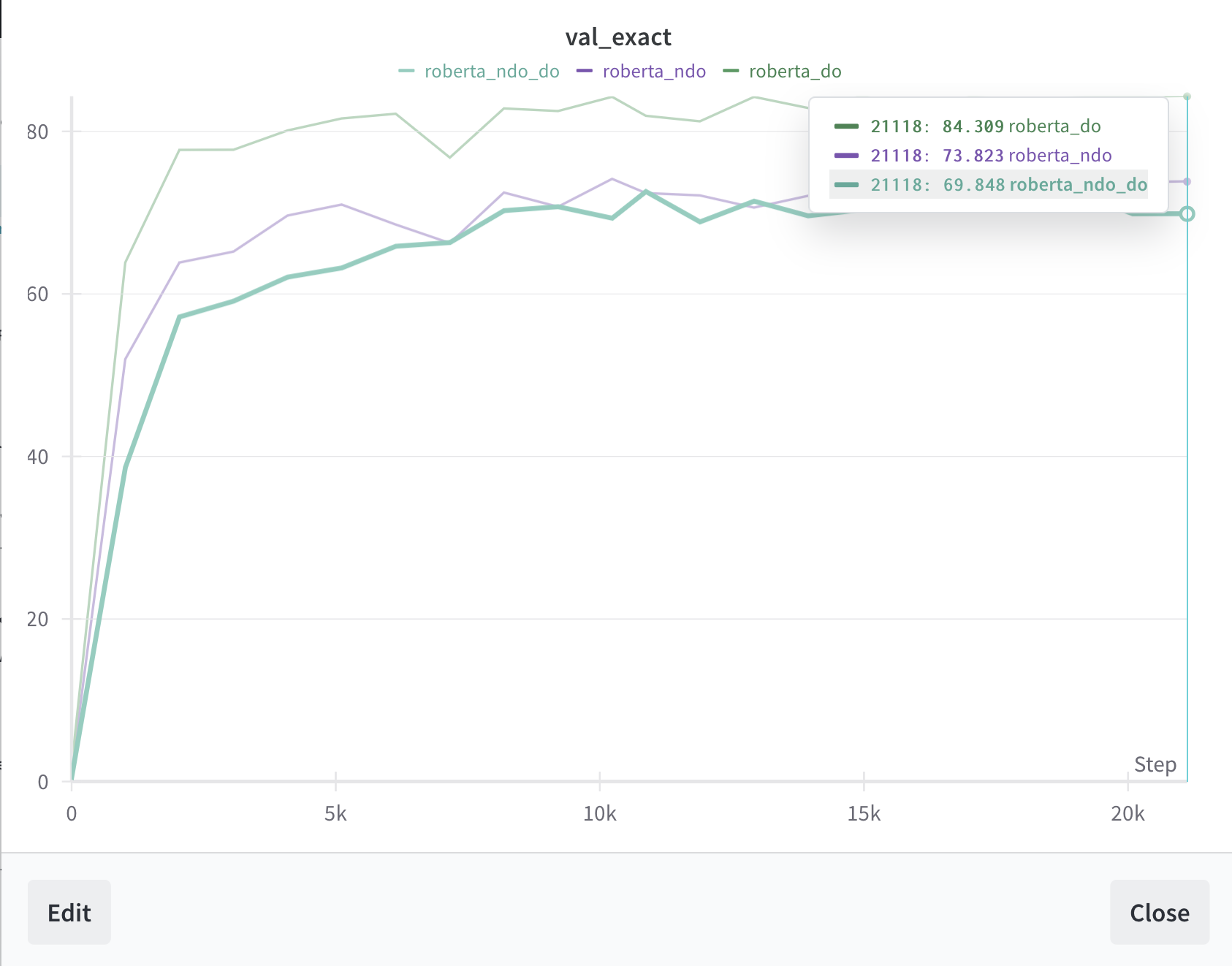
even if our model is better ppl, its worse at squad than Facebook (granted its been trained a lot less); will run with new pretraining model (expect that no dropout will be better (see paper above)).
Meghanani 2021
Last edited: August 8, 2025DOI: 10.3389/fcomp.2021.624558
One-Liner
analyzed spontaneous speech transcripts (only!) from TD and AD patients with fastText and CNN; best was \(83.33\%\) acc.
Novelty
- threw the NLP kitchen sink to transcripts
- fastText
- CNN (with vary n-gram kernel 2,3,4,5 sizes)
Notable Methods
- embeddings seaded by GloVe
- fastText are much faster, but CNN won out
Key Figs
the qual results
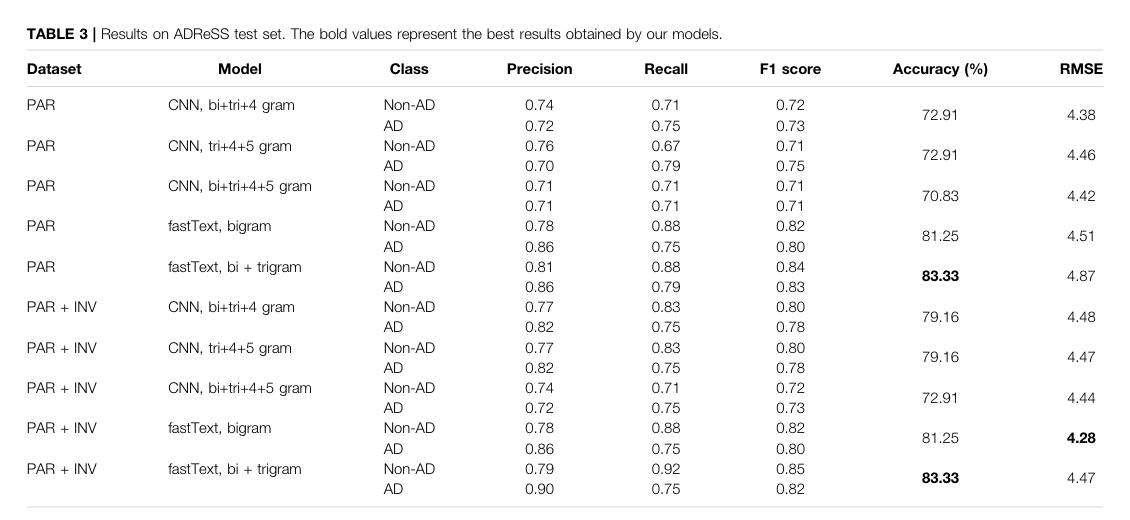
PAR (participant), INV (investigator)
Notes
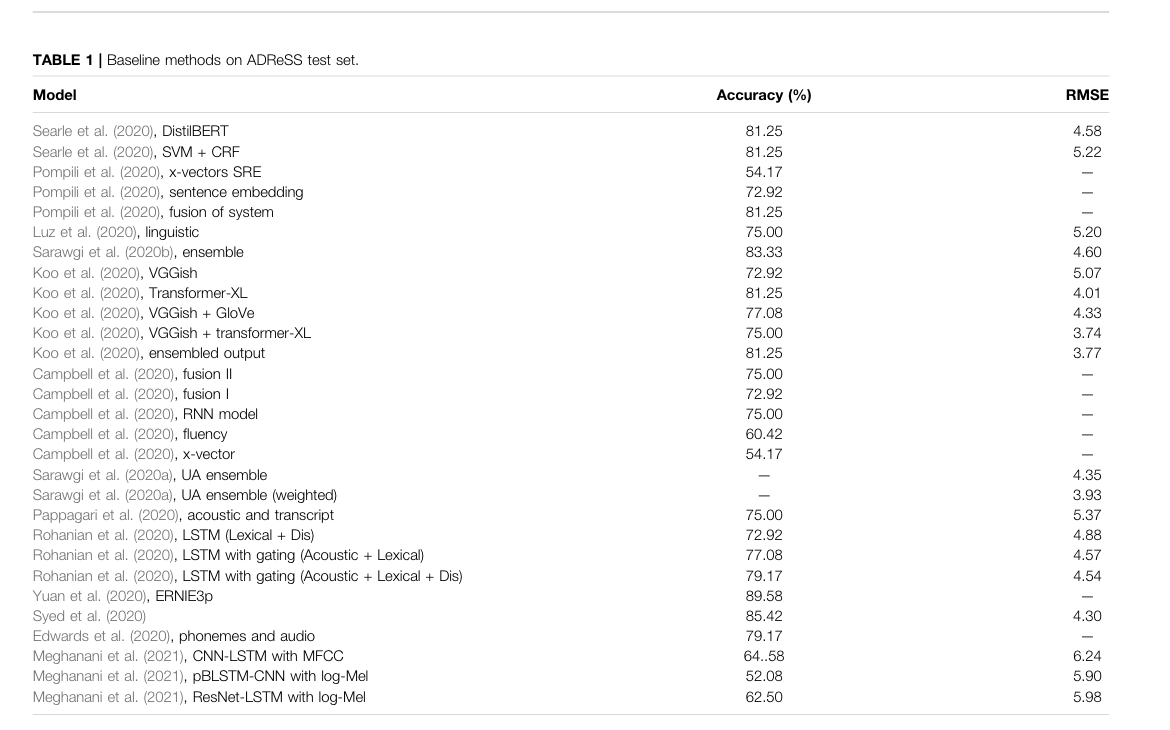
Hey look a review of the field:
Mel Scale
Last edited: August 8, 2025Human do not perceive frequency very well. The Mel scale is a scale from Hertz to what’s better perceived.
memory
Last edited: August 8, 2025memory allocation
Last edited: August 8, 2025Utilization vs throughput is conflicting goals.
Big Picture
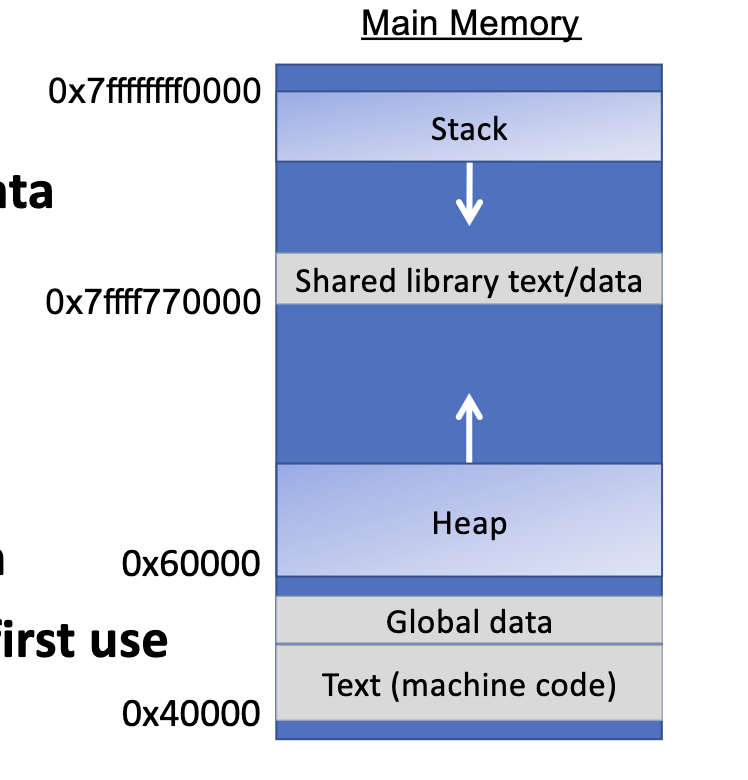
OS:
- creates new process
- sets up address space/segments
- read the executable, load instructions, global data
- libraries gets loaded
Complier:
- set up stack
Heap Allocator: “Sandbox of bytes”
- initialize the heap
heap allocation: client
void *malloc(size_t size);
Returns a pointer to a block of heap memory of at least size bytes, or NULL if an error occurred.
void free(void *ptr);
Frees the heap-allocated block starting at the specific address.