Translation Theory
Last edited: August 8, 2025Translation Theory is the theory that studies how translation works.
Spectrum of Translation
domestication and foreignization are processes by which a translator can choose to alter the style of a translation for a purpose.
foreignization
trying to bring the target language closer to the source language
- bring in foreign words
- use colourful idioms
- use old words
domestication
trying to bring he source language closer to the target language
transverse load
Last edited: August 8, 2025A load perpendicular to the long end of a rod. Think of a metal rod lying flat on the ground; a transverse
Tree File Organization
Last edited: August 8, 2025TrustPOMDP
Last edited: August 8, 2025Humans either over-rely (drive a Tesla while sleeping) or under rely (interfering) with robot’s actions.
- human and robot interactions may depend on entire history
- trust is a proxy for the full interaction history
- the human’s policy must be modeled by th robot
- trust is demonstrated through real-world experimentation
Formulation
Add two variable
- Trust: \(\theta_{t}\), the robot’s ability to succeed in a task
- Performance: \(e_{t+1}\), success or failure in attempting a task
the trust model probabilities for model’s correct modeling of humans are low: high variance between participants.
Tuning Fork
Last edited: August 8, 2025Tuning Forks (funing torks!) is a Tuning Fork. You smack it and it goes “biiing!”
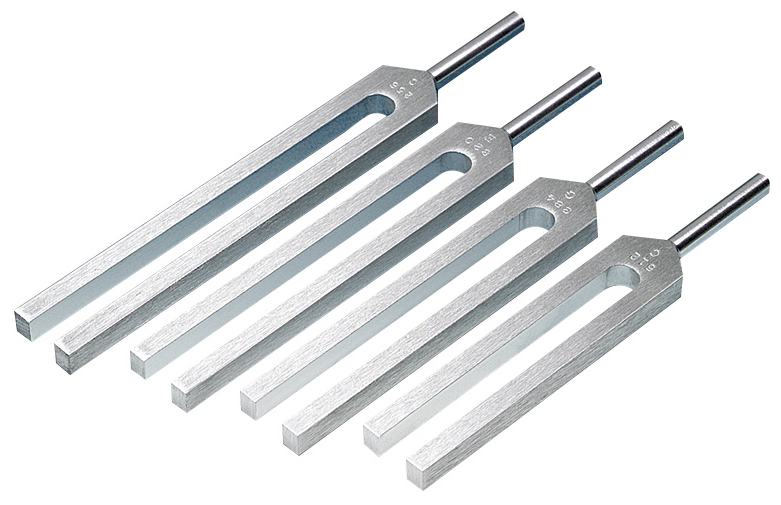
Let’s figure out how it works. For us to be one same page, let’s define some vocab:
Vocab
- “Tine”: one of the two prongs of the fork
A Cursory Explanation
Source: here and here. Both are not very scientific but a good first step.
From a very basic perspective, hiting a tuning fork creates a transverse wave on the tine you hit, which vibrates and then compresses the air around it in a longitudinal fashion at a set frequency, which we hear as a sound.