SU-CS394F SEP222026
Last edited: September 9, 2026Why is AI training fundamentally different?
Because AI training interleaves network (all gathers / reduces) with computation (geomm), unlike usual networking where the thing you are computing (on top in stack) is detached from networking (below in stack)
Sidebar: what’s the key hard thing of exchanges
When two things happening roughly at the same time, how does one know who did something first?
*Layer 1 switching: instead of doing switching by parsing packet headers, the optical physical layer does the routing by optical routers.
what's special about human data?
Last edited: September 9, 2026Two problems: scarcity and alignment
scarcity
=> you can’t RL humans freely
- …so the data is selected given priors of how the humans showed up
- we thus need to make assumptions to generalize
Why you need assumptions since you have scarcity
We’d love to infer what X will do given Y circumstance, but unless you have a thing that’s positively X (i.e. a box that’s literally X you can replay), you have to use your experience of (X’, Y’) to make an inductive prior for what X will do.
frolicking in the outdoors
Last edited: September 9, 2026NYC (a second time!)
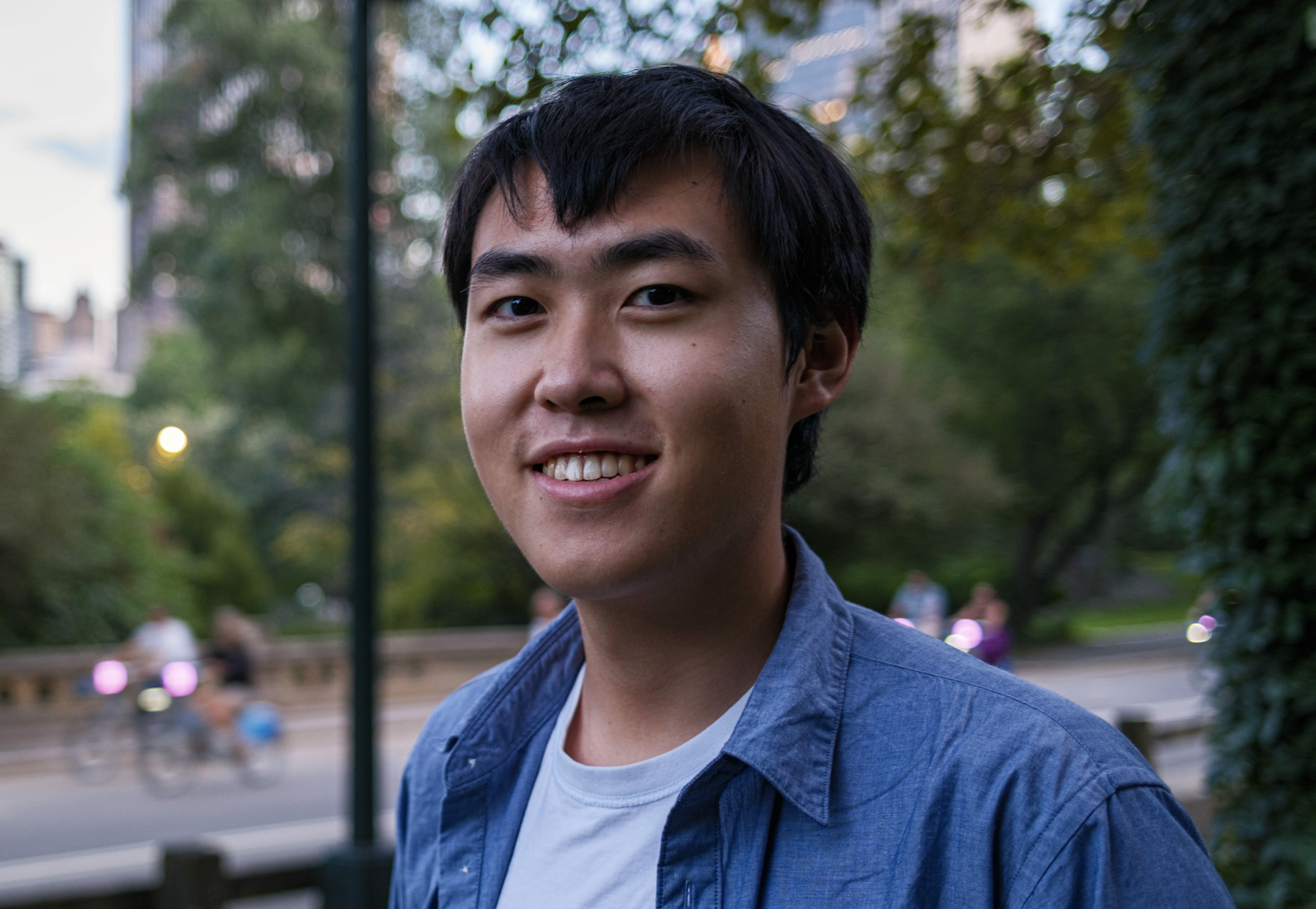
(Photo credit: https://quantumi.sh/)
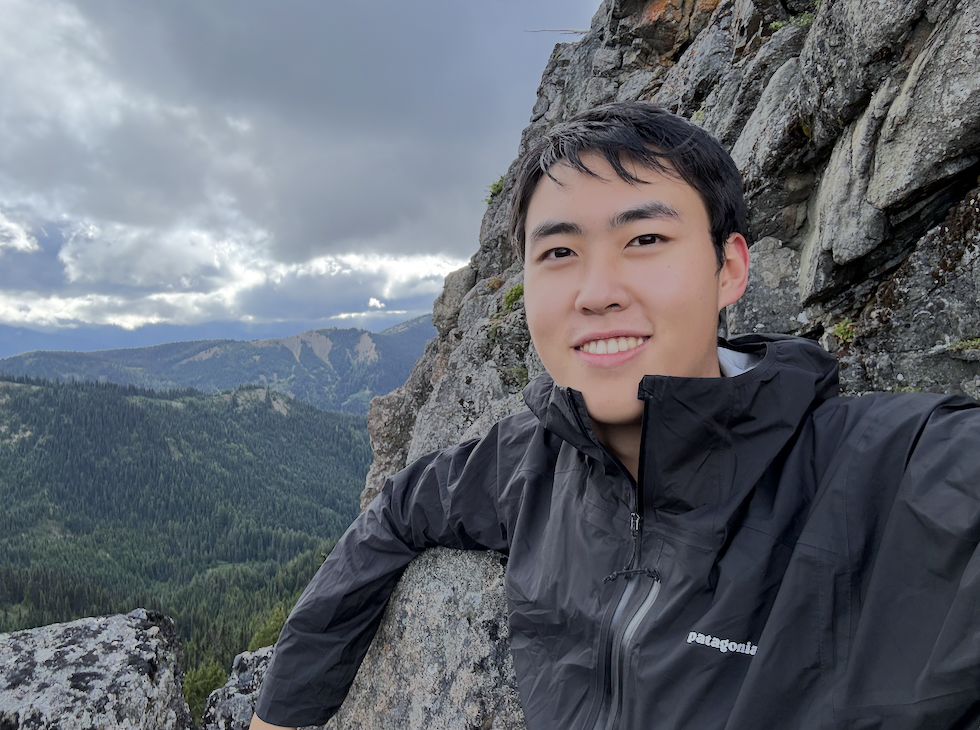
Olympic NP
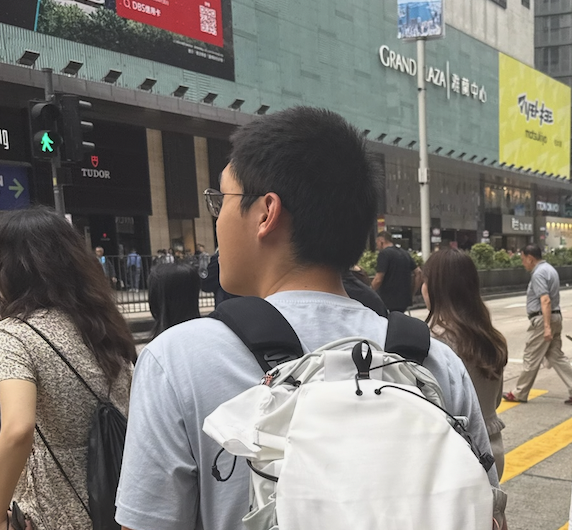
Hong Kong
Banff NP

Pinnacles NP
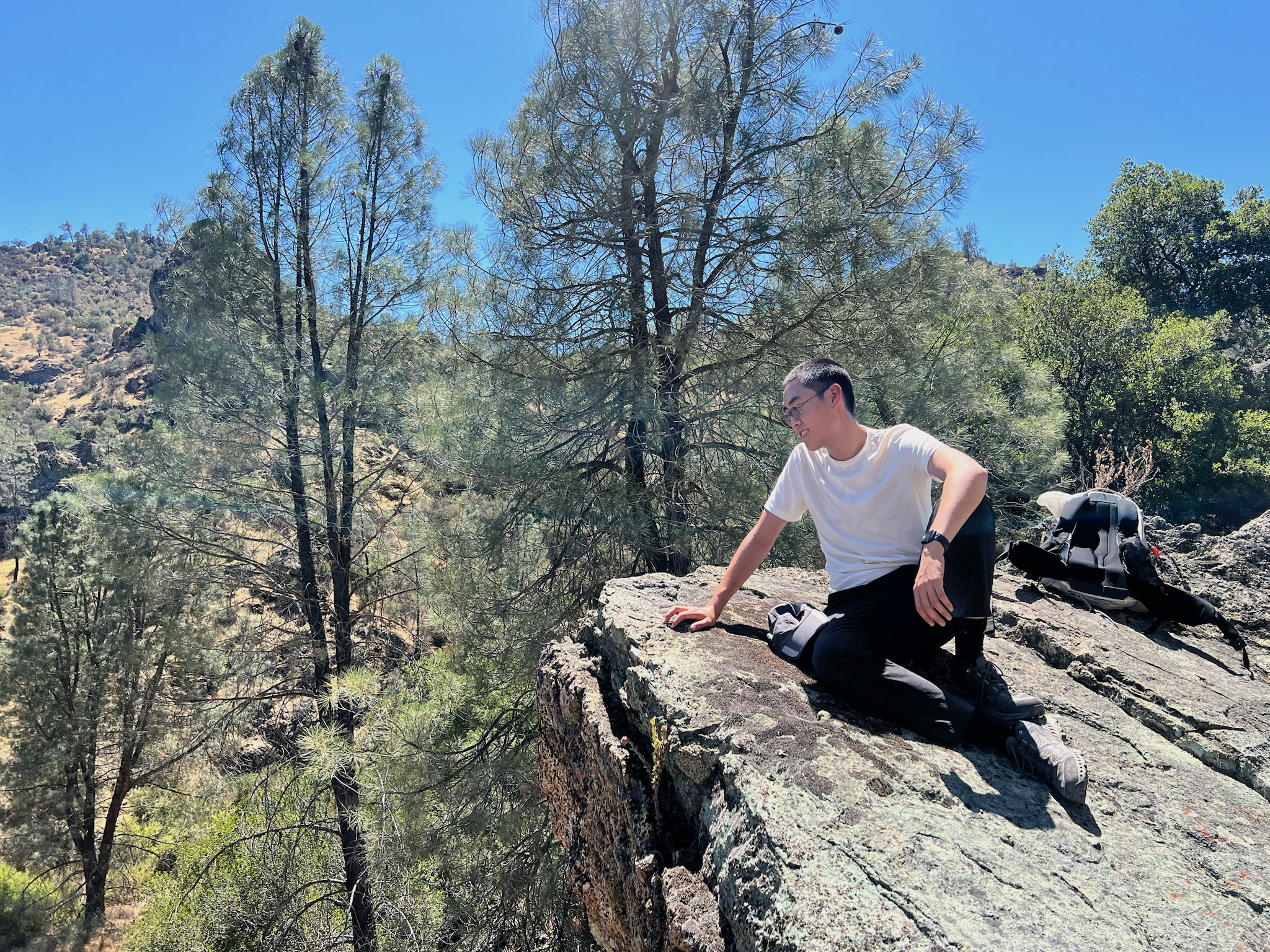
Yosemite NP
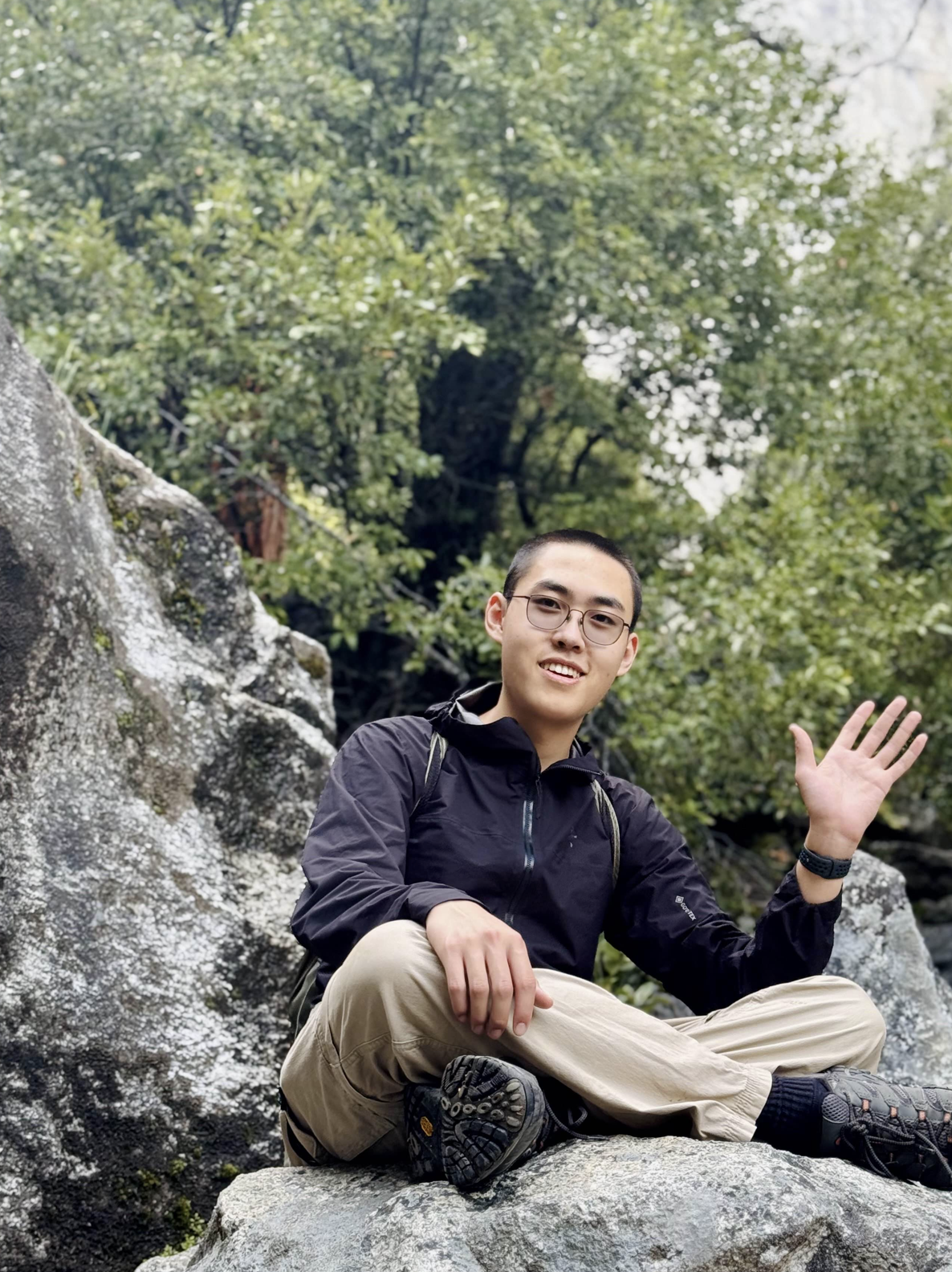
Singapore

NYC

Shanghai

Grand Canyon NP

2026-08-24
Last edited: September 9, 2026ICLR2026 Rishi: Public Impact
Last edited: July 7, 2026AI Safety as a Public Engagement
To what extend should we be making AI Safety as a public problem.
One-Liner
Novelty
Motivation
Notable Methods
Key Figs
- Public generally more pessimistic about AI
- Rates of adverse impact by AI decisions is reasonably low
New Concepts
Data Partnerships
Try to find independent sources of data, with contracts for how the data must be used.
Impact Horizons
Some random Instagram influencer had more accesses than our usual methods of scientific communication.